
Testimonial videos that sell: how to make customer case study videos
The testimonial videos that sell are short documentaries about a customer's problem, the turning point and the result. Here's how to make them.
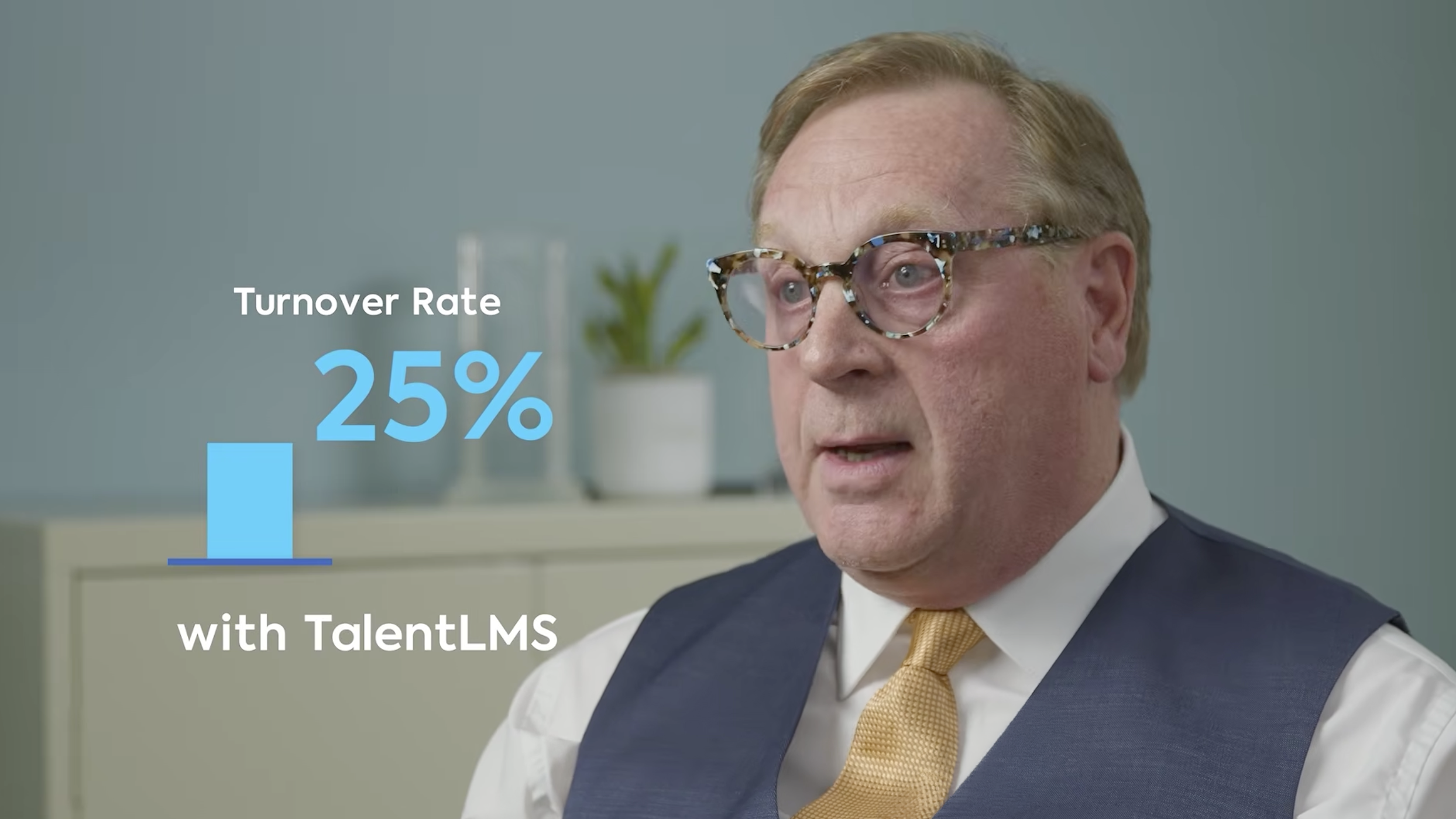
Most testimonial videos are polite. A happy customer sits in front of a bookshelf and says the company was "great to work with" and "really professional". And that's great. Nobody disbelieves it... but nobody remembers it either.
The testimonial videos that sell are different. They're short documentaries about a customer's problem, the moment things changed, and what life looks like now. Your product is part of the story, not the subject of it. I learned that making more than a dozen customer films for Xero, Jacob's Creek, TalentLMS and many others. It's how we approach every customer story at Cubic Content.
In short: A testimonial video that sells tells a real customer's story: what they were struggling with, why they chose you, what changed, and the result in their own words. Film customers with a clear before-and-after, prepare them with conversation rather than scripts, keep the finished video to 60–120 seconds, and cut short versions for socials and sales channels.
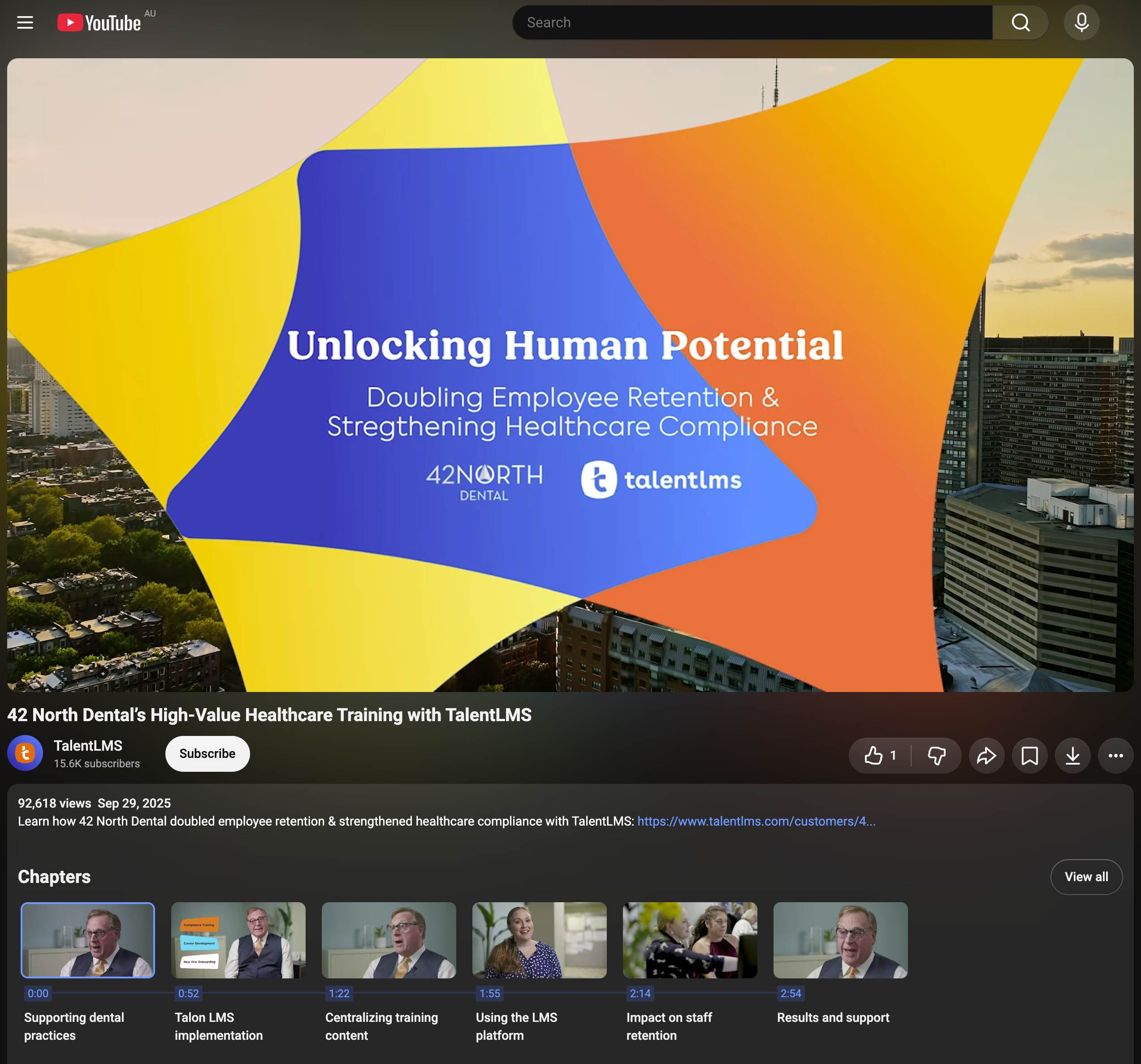
Here's how TalentLMS is using our case studies to storify their brand:
Landing page where they're maximising key quotes, SEO and focal impact by focusing on pain points their customers face.
YouTube where they're driving discovery and SEO (the series we produced has an average of 90K+ views each).
At the TalentLMS Training Excellence Awards, where the videos are showcased to celebrate exemplars who use their software.
Cut down into 5+ social edits each, that are used across social media campaigns, driving people to... #1 the landing page focused on one key pain point.
What is the difference between a testimonial video and a case study video?
A testimonial video is short (often 30–90 seconds - 3 minutes max) and focuses on how the customer feels about you. It builds trust quickly, ideal for your homepage, ads and social.
A case study video is longer (often 2–4 minutes) and walks through the problem, the solution and measurable results. It helps buyers who are comparing options, ideal for sales calls, proposals and landing pages. These are also good if you're wanting to highlight features.
The best approach is often to film one customer and cut both.
Why do testimonial videos work?
People trust other customers more than they trust you. Video adds faces, voices and emotion, which makes a claim feel real. In Wyzowl's 2025 survey, 87% of people said a video had convinced them to buy a product or service, and 60% of video marketers had made video testimonials.
There's a deeper reason too. In my book Storification, I call this step Participation: the point where customers stop being an audience and become characters in your story. When a prospect sees someone like them in that role, they can picture themselves there next.
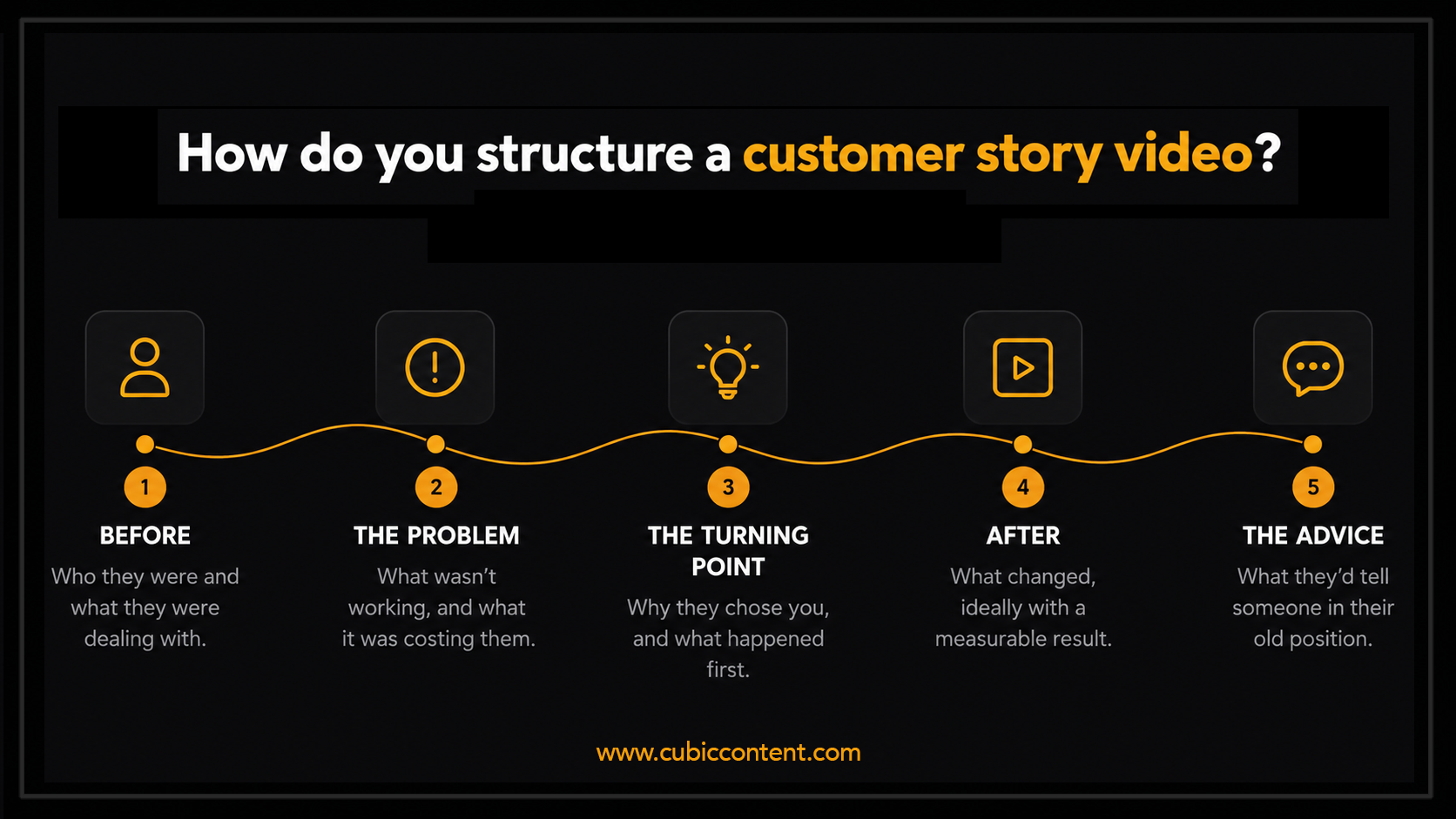
How do you structure a customer story video?
Use the same five beats every time:
Before. Who the customer is and what they were dealing with. Specific details beat adjectives.
The problem. What wasn't working, and what it was costing them.
The turning point. Why they chose you, and what happened in the first weeks.
After. What's different now, with a number if possible.
The advice. What they'd tell someone in their old position. This line often becomes your best ad.
Which customers should you film?
A clear before-and-after. The bigger and more specific the change, the better the story.
Customers who look like your best prospects. Same industry, size or role.
Comfort talking. Not polish. Honest and a little nervous beats slick.
Visible results. A place, a product or a team you can film doing the work, not just talking about it.
What questions should you ask in a testimonial interview?
Avoid yes/no questions and never hand customers a script. Ask them to tell stories:
Tell me about your business before you started working with us. What did a normal week look like?
What was the moment you decided something had to change?
What made you choose us over other options? Were you hesitant about anything?
What happened in the first month?
What's different now? Can you put a number on it?
If a friend in your old situation asked you about us, what would you say?
Ask them to include the question in their answer ("Before we worked with Cubic…") so each answer stands on its own in the edit.
How do you make customers comfortable on camera?
This is where documentary experience matters most.
Pre-interview by phone. A 15-minute chat before the shoot finds the story and removes surprises.
Film where they work. Their own space relaxes them and gives you footage of the real thing.
Keep the crew small. Fewer people behind the camera means less pressure.
Start with easy questions. The first ten minutes are warm-up; the good answers come later.
Film the work, not just the talking. Shots of the customer doing what they do make the story believable.
How long should a testimonial video be?
Where it's used | Length | Format |
|---|---|---|
Social media and ads | 15–30 seconds | Vertical (9:16) and square, with captions |
Homepage or landing page | 60–90 seconds | Horizontal (16:9) |
Sales calls and proposals | 2–4 minutes | Horizontal, full case study |
30–90 seconds | Square or vertical, with captions |
One shoot can produce all of them.
How much does a testimonial video cost?
In Sydney, a single testimonial video typically costs $2,000–$5,000. Filming several customers on the same day, or adding customer stories to a larger shoot, lowers the cost per video. Cubic Content's packages start from $3,500, and One Day. One Year of Video includes three customer story films alongside a hero brand film. For more detail, see what corporate video production costs in Sydney.
What are the most common testimonial video mistakes?
Scripting the customer. Scripts make real people sound like actors. Have a conversation instead.
Praise without a story. "They're great" doesn't persuade. "We got our evenings back" does.
Making it about your product. Keep the customer at the centre and let your product play a supporting role.
One long video only. Cut short versions for every channel.
Filming only happy endings. A little honesty about the struggle makes the result believable.
Try this today
List three customers whose businesses changed after working with you. Next to each, write one sentence: not what they bought, but what changed. The customer with the clearest sentence is your first film.
Want help finding and filming the story? Book a free 30-minute discovery call, or see our testimonial and case study videos.
Frequently asked questions
What makes a good testimonial video? A real customer telling a specific story: what they struggled with, why they chose you, what changed and what result they got, in their own words and filmed where they work.
How long should a testimonial video be? 60–90 seconds for websites, 15–30 seconds for social and ads, and 2–4 minutes for a full case study used in sales.
Should I script a customer testimonial? No. Prepare customers with a short pre-interview and ask open questions on the day. Scripted testimonials sound rehearsed and are less believable.
What questions should I ask in a video testimonial? Ask about life before working with you, the moment they decided to change, why they chose you, what happened next and what's different now, and what they'd tell someone in their old position.
How much does a testimonial video cost in Sydney? Typically $2,000–$5,000 for a single video. Filming several customers in one day lowers the cost per video.
Jim Lounsbury is a filmmaker who has made films and brand stories for over 100 companies in over 20 countries. His work has been seen in cinemas and on the world's most viewed networks, including Apple TV, Prime Video, STAN and National Geographic. He founded Cubic Content to help organisations and start-ups find and tell their story on video.
Sources
Wyzowl, State of Video Marketing 2025 (205 marketers and consumers surveyed, late 2024): https://wyzowl.com/sovm-results-2025/
Vidico, "Video Production Rates in Australia (2026)", for testimonial video pricing: https://vidico.com/news/video-production-rates-australia/